Wild for You Boot Design: A Practical Embroidery Review
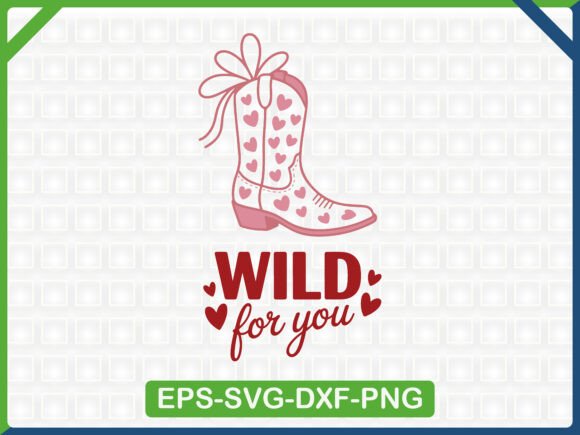
Some designs walk into your workspace and immediately plant a mood. That was my first thought when I opened Wild for You Boot Design. It carries a rustic, playful, slightly romantic western energy that feels equal parts country charm and modern boutique style. The boot silhouette anchors the composition, and the overall theme reads as warm, approachable, and a little whimsical. As someone who reviews designs through the lens of actual stitch performance and buyer psychology, my mind went straight to a question I ask every time: Would this make someone pause at a craft fair table? My gut says yes, but the real answer lies in how it behaves across different embroidery projects, fabric choices, and product types.
Before going further, I want to be clear about what this design is. The listing describes it as a versatile graphic suited for prints, t-shirt designs, mug making, posters, and similar tasks. It sits under the T-Shirt Designs category as a Graphics product type. That means we are evaluating a visual asset that can be adapted into machine embroidery, used in digital product mockups, printed on transfer sheets, or showcased in Etsy listing previews. It is not a pre-digitized embroidery file, and no specific stitch count, file format, or hoop size is provided. You will need to handle digitization yourself or work with a skilled digitizer to bring this boot design to thread and fabric. That distinction matters immensely when planning your production workflow.
First Impression: Mood, Shape, and Visual Personality
The personality of Wild for You Boot Design is what struck me first. It leans into a western aesthetic without going full rodeo. The boot shape is recognizable and stylized, with enough detail to feel intentional but not so much that it screams over-digitized. For embroidery, this balance is crucial. A design that is too intricate can turn into a dense, bulletproof patch of thread that puckers shirts and frustrates your machine. This one appears to sit in a comfortable middle zone, where the main silhouette carries the theme and the interior details add charm without overcrowding the stitch field.
The phrase itself, "Wild for You," adds a layer of emotional connection. That wording immediately positions this design in the gift and personalization market. I can see it resonating with couples, best friends, bridal parties, or anyone drawn to a playful declaration of affection. From a seller's perspective, that embedded sentiment increases perceived value before a single stitch is sewn. A customer browsing a rack of embroidered sweatshirts or scrolling an Etsy feed does not just see a boot. They see a feeling tied to a relationship. That is quiet marketing power sitting inside the design itself.
Real Project Scenario: The Custom Tote Bag That Started the Test
To ground this review in something tangible, I mentally placed Wild for You Boot Design onto a project I run regularly for boutique clients: a medium-weight canvas tote with a front pocket, requested as a personalized gift for a bridal shower. The bride loves western style, and the client wanted something that felt handmade but polished. I pulled up the design, visualized it stitched in earthy thread tones, roughly five inches wide, centered on the pocket panel.
Here is where practical thinking kicked in. Canvas tote fabric is sturdy and forgiving, which makes it an ideal testing ground for designs with decorative interior elements. The flat weave holds detail well, and the lack of stretch means satin stitches stay crisp rather than warping over time. I imagined the boot outline rendered in a clean satin stitch, the interior accents in a lighter fill or running stitch to reduce density, and the lettering kept minimal and legible. In my experience, this type of design can look remarkably professional on a tote, especially when paired with a medium-weight cutaway stabilizer and a topper for any textured fabric sections.
The emotional reaction I anticipate from the end recipient is worth noting. A tote is an everyday object. Putting a design with a personal, slightly cheeky message on it transforms that object into a conversation piece. That is the kind of product that gets photographed, shared on social media, and asked about by friends. For small business owners and craft fair vendors, that organic word-of-mouth is invaluable.
Where Wild for You Boot Design Shines in Embroidery Projects
Not every design fits every product equally. Part of honest evaluation is identifying where a design naturally excels and where it fights against the fabric or format. Based on the visual structure of this boot graphic, here are the project types where I believe it would perform best after proper digitization.
- Sweatshirts and Crewnecks: The relaxed fabric of a quality sweatshirt provides a flat, stable surface for medium-sized embroidery. The rustic boot theme pairs beautifully with fleece textures, and the design can sit comfortably on the left chest or centered on the back.
- Canvas Totes and Market Bags: As mentioned, canvas handles detail well. The western aesthetic aligns with the natural, utilitarian feel of cotton totes, and the design adds personality without overwhelming the bag's shape.
- Kitchen Towels and Tea Towels: This surprised me initially, but a western boot design on a flour sack or linen blend towel works. It gives a farmhouse kitchen vibe, and the flat weave makes stitch clarity excellent. Pair it with a simple border stitch and you have a holiday gift set ready to sell.
- Aprons: A half-apron with the design placed near the hip or on the bib pocket creates a boutique cooking accessory. Think gift shops, ranch weddings, or personalized hostess presents.
- Patches: If digitized with a proper edge and backed with heat-seal material, the boot design becomes a sew-on or iron-on patch. Patches are low-risk, high-margin products that sell well at markets and online.
- Baby and Toddler Apparel: The soft, affectionate vibe of "Wild for You" translates gently to baby onesies, tiny denim jackets, or mini tote bags for flower girls. Keep the stitch count low and the stabilizer soft to avoid irritating delicate skin.
- Pillow Covers: Linen or cotton blend pillow covers with this design stitched in a muted color palette create a cozy, western-chic home decor item. Great for nursery accents or rustic living room throw pillows.
The Products That Require Extra Caution
A responsible review also flags the places where a design might struggle. Wild for You Boot Design has a defined shape with interior detail that could become problematic on certain surfaces. I would approach the following with testing and adjusted expectations.
- Small Hoop Sizes: Cramming the boot into a 4x4 hoop could force the lettering and interior accents to shrink below legible thresholds. If the fine details collapse into thread blobs, the design loses its charm. Test at the intended size before committing to production.
- Thin or Stretchy Fabrics: Lightweight jersey, rayon blends, or thin performance tees can pucker around dense satin outlines. If you must use these fabrics, a heavy cutaway stabilizer and possibly a water-soluble topper become non-negotiable.
- Dark Fabrics with Low-Contrast Thread: The boot silhouette might disappear if stitched in dark brown or black thread on a navy or charcoal garment. Always test a thread color swatch against the actual fabric before running a full stitch-out. What looks fine on screen often washes out in real life.
- Curved Surfaces Like Caps: The elongated boot shape and horizontal lettering could distort on the curved front panel of a baseball cap. Digitizing for caps requires specific compensation and often a slightly altered layout. This design is not impossible on headwear, but it demands a cap-specific digitizing approach.
- Layered Garments: Stitching over seams, zippers, or pocket edges introduces registration problems and needle deflection risks. The boot design works best on uninterrupted fabric panels.
Stitching Clarity and Visual Appeal After Embroidery
One of the core responsibilities of an embroidery product reviewer is to think about how the stitched result will actually look, not just how the graphic appears on a screen. The translation from digital asset to thread-and-fabric reality involves texture, light reflection, and tactile presence. Wild for You Boot Design has several visual qualities that bode well for strong stitch translation.
The primary shape is confident and readable at a glance. That instant recognizability matters enormously when a customer sees a product across a room or scrolling quickly through search results. If they cannot tell what the design is within two seconds, engagement drops. The boot silhouette clears this bar easily. The wording, assuming it is digitized with clean column stitches and appropriate spacing, adds that secondary layer of discovery that rewards closer inspection. That two-stage visual experience, first the shape, then the message, keeps the eye engaged longer. Longer engagement correlates with higher purchase intent in retail settings, whether online or in person.
Thread color choices will heavily influence the final mood. A warm tan boot with cream lettering feels soft and romantic. A deep brown boot with turquoise accents leans southwestern. Black thread on a white canvas tote delivers high contrast and modern minimalism. I recommend testing at least three color palettes before finalizing your product line. Photograph each variation and use those images across your listings and social media. Buyers respond to variety and often purchase multiple colorways of the same design once they trust the quality.
Product Value, Customer Trust, and Brand Consistency
Adding Wild for You Boot Design to your embroidery catalog can strengthen your brand identity if western, rustic, or romantic themes already define your shop's aesthetic. Cohesion across your product line signals professionalism. When a repeat customer sees a new release that matches the style of a tote or sweatshirt they already own, the familiarity builds trust and speeds up purchasing decisions.
For Etsy sellers and small shop owners, this design also lends itself well to printable mockups and listing photography. The boot graphic can be layered onto product photos to preview how finished embroidery might look. High-quality mockups help bridge the gap between a customer's imagination and the final stitched product. They reduce uncertainty and hesitant buying behavior. I have seen conversion rates improve measurably when listings include both a clean mockup and a photograph of the actual embroidered piece. Use the design for both your digital previews and your final stitched products to maintain visual consistency.
Giftability is another factor that quietly drives sales. Designs with affectionate phrasing, holiday applicability, or seasonal charm tend to spike during gifting periods. "Wild for You" fits Valentine's Day, anniversaries, weddings, and even Mother's Day with the right styling. Stocking finished products or ready-to-stitch kits featuring this design ahead of those calendar moments positions your shop to capture that demand.
Practical Embroidery Designer Notes
Here is the working checklist I mentally run through before putting any new graphic design into embroidery production. These notes apply directly to Wild for You Boot Design and reflect the habits I have built over years of stitching for clients and craft shows.
- Test on Scrap Fabric First: Never send a new digitized version straight to a customer order. Stitch it out on fabric similar to your final product and evaluate the result under normal lighting conditions. Look for gaps, thread breaks, puckering, and registration shifts.
- Check Thread Color Contrast: Hold your thread spools against the actual fabric in natural light. What matches under LED bulbs may clash in daylight. Photograph the test stitch-out and review the image on your phone screen since many buyers will see your product through a screen first.
- Review Stitch Density: If the boot outline feels stiff or the interior fills make the fabric buckle, ask your digitizer to reduce density. A softer stitch feel is often more comfortable on apparel and less prone to cracking after repeated washing.
- Confirm Hoop Size: Know the exact dimensions of the stitched area before claiming it fits a particular hoop. Leave at least a quarter inch of clearance on all sides for safe hooping. That margin is tighter than many beginners realize.
- Inspect Small Details: Zoom in on the digital preview of your digitized file. If any lettering serifs, boot spur details, or interior decorative lines appear thinner than one millimeter, they may not stitch cleanly. Simplify where necessary for stitch integrity.
- Test on Light and Dark Fabrics: A design that pops on cream canvas may vanish on charcoal fleece. Run a black-and-white mockup to see how the value structure holds up without color. Strong value contrast equals strong visibility across fabric types.
- Use Proper Stabilizer: Match your stabilizer choice to the fabric, not the design alone. A tote bag needs a different backing than a thin baby onesie. When in doubt, cutaway stabilizer provides the most lasting support for detailed designs.
- Check Licensing Before Selling: Since the product listing mentions use across prints, t-shirts, mugs, and more, it appears to allow broad creative application. However, confirm the terms directly with the seller before offering finished embroidered products for sale or including the design in a commercial embroidery collection. Licensing clarity protects your business from disputes down the road.
How the Design Fits a Craft Business Workflow
I evaluate every design asset through the lens of operational efficiency. A beautifully artistic graphic that requires excessive digitizing time, constant machine babysitting, or frequent re-hooping eats into profit margins. Wild for You Boot Design, based on its visual structure, appears to be a relatively efficient production candidate. The main shape is clean enough that a skilled digitizer can produce a well-behaved file without excessive trims or color changes. Fewer trims mean less finishing work. Less finishing work means more products completed per hour. For small shops where time directly translates to earnings, that efficiency is not trivial.
Additionally, this design can be repurposed across multiple product categories without appearing forced. The same digitized file, with minor size adjustments, could theoretically serve a sweatshirt, a tote, and a pillow cover. That cross-product flexibility increases the return on your digitizing investment and helps you test different markets with a single design asset.
Final Observations From the Workbench
After examining Wild for You Boot Design from shape to sentiment to practical stitch application, I land on this: it is a design with clear marketability, a versatile emotional hook, and a visual structure that translates reasonably well into embroidery when paired with thoughtful digitizing and material choices. It is not a plug-and-play embroidery file fresh out of the download folder. You must evaluate, test, and refine. But for embroidery designers, craft business owners, and makers who are comfortable with that workflow, the creative possibilities are genuine and the customer appeal is easy to envision.
Whether stitched onto a canvas tote for a bridal shower, sewn into a toddler's denim jacket, or offered as a patch in a western-themed product line, this boot design carries a warmth that feels handmade in the best sense. And in a market saturated with generic graphics, that specific, personality-driven quality can be the difference between a product that sits and a product that sells.