Evaluating the Coquette Bunny Easter Bow Brushstroke Design
Every time I download a new design, I’m thinking about the stitch. It’s not just about the preview on my screen; it’s about how those lines will translate into thread on fabric, what the final piece will feel like in someone’s hands, and whether it’s going to be a joy or a chore to work with. The Coquette Bunny Easter Bow Brushstroke landed in my project folder with a specific purpose: I was prepping for a spring craft fair and wanted a fresh, charming design for a line of embroidered tea towels and tote bags.
A First Impression of Sweetness and Whimsy
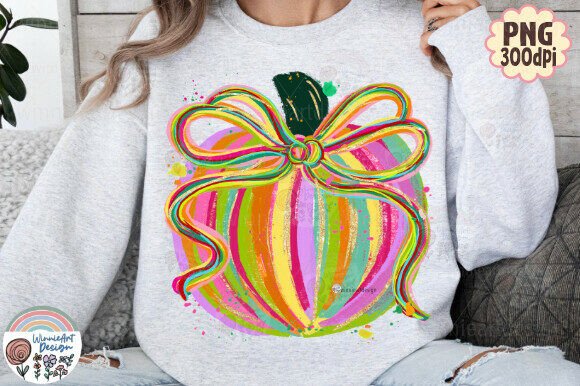
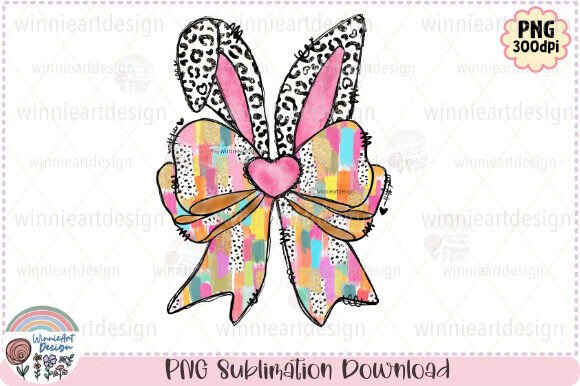
The Coquette Bunny Easter Bow Brushstroke design immediately sets a mood. The brushstroke style gives it a soft, almost hand-painted quality, which is a delightful departure from hard, graphic lines. The bunny itself, paired with that oversized bow, feels playful and gentle—perfect for spring, Easter, or any project that needs a touch of innocent charm. It’s not an aggressive or overly detailed graphic; its personality is light, friendly, and universally appealing. This isn’t a design you’d use for a corporate logo, but for a personalized gift or a boutique product, it speaks directly to that desire for something sweet and special.
Looking at the layout, the composition is balanced nicely. The brushstroke effect means the edges are intentionally soft, which, from an embroidery standpoint, can be a blessing. It suggests a design that won’t demand perfection on every crisp corner, which can be forgiving on fabrics like cotton canvas for tote bags or slightly textured linen for tea towels. The detail level is moderate—there are clear shapes to follow, but it avoids tiny, intricate details that could become a muddle of stitches on a smaller hoop size.
Where This Design Finds Its Home
My initial thought was tea towels, but as I sat with the Coquette Bunny Easter Bow Brushstroke file open, my mental list grew. The whimsical theme makes it a natural fit for baby clothes—think a simple applique on a baby bib or a small, sweet motif on the corner of a nursery blanket. For a custom sweatshirt or t-shirt, it would sit beautifully as a left-chest design or a central motif on a women’s or child’s top, offering that coquette, feminine vibe the name suggests.
I also pictured it as an embroidered patch. The brushstroke aesthetic, if stitched with a slightly varied fill stitch to mimic that painterly look, could create a really unique, handmade-feeling patch for a backpack or cap. For home decor, a pillow cover or a kitchen apron would be lovely candidates. Essentially, this design belongs to the category of personalized gifts and small business merchandise where emotion and aesthetic outweigh sheer utility. It’s a design that adds value through its mood, not just its function.
Considering the Practical Stitch
When I evaluate a design for real embroidery work, I’m always asking: how will it perform under the needle? The provided PNG file at 300 dpi and 4000x4000 pixels gives a high-resolution starting point for creating an embroidery file, but the real test comes in translation. For the Coquette Bunny Easter Bow Brushstroke, the soft edges mean attention to stitch density is key. A very dense fill stitch might lose that brushstroke lightness, so I’d lean towards a slightly open fill or a clever use of satin stitch for the broader areas to maintain that airy feel.
On darker fabrics, the design’s lighter tones will need careful thread color selection to ensure the bunny and bow pop without looking stark. This isn’t a design I’d automatically run on a black cotton without first testing contrast on a scrap. Its appeal relies on that soft, gentle contrast, so a navy blue or charcoal base might work better than pure black. For textured fabrics like some sweatshirt materials or knitted blankets, a good, appropriate stabilizer is non-negotiable to keep those soft shapes from distorting.
Where Caution is Needed
Every design has its ideal applications and its less-suited ones. For the Coquette Bunny Easter Bow Brushstroke, I’d be careful on very small hoop sizes. While the overall shape is clear, if you try to shrink it down for, say, a tiny corner on a baby sock, some of the brushstroke detail might compress into a blur. It’s a design that needs a bit of space to breathe.
Stretchy fabrics like certain t-shirt materials require extra stabilization planning to prevent puckering, especially if any area of the design uses a higher stitch density. Similarly, on curved surfaces like caps, the larger, rounded shape of the bunny’s head and bow would need to be digitized with cap-specific considerations in mind to sit smoothly on the curve. This is a reminder: the PNG is a graphic asset; the final embroidery file you create from it must be tailored to the garment or product you’re targeting.
Products that will undergo frequent washing, like kitchen towels or children’s apparel, benefit from a robust stitch plan. Checking that the design doesn’t have overly thin, single-running stitch lines that might wear quickly is a good step. A well-digitized version using sound stitch types will ensure the Coquette Bunny Easter Bow Brushstroke remains charming through many uses.
The Impact on Your Project and Your Customer
Using a design like this isn’t just about the technical stitch; it’s about the story it tells on the finished product. On a handmade tote bag, it conveys a sense of care and playful artistry. On a baby gift, it feels lovingly chosen. For an Etsy seller or craft business, it offers a product that’s easily recognizable as part of a sweet, seasonal collection, aiding in brand consistency. Its giftability is high—it’s inherently a design someone would buy to give, not just to use for themselves.
From a professional standpoint, a design with this clear mood and quality graphic base helps build customer trust. When the embroidered result looks cohesive, clean, and intentional, it reinforces the buyer’s confidence in your craftsmanship. It turns a simple embroidered item into a design asset for your shop. In a printable mockup or a digital product preview, this graphic’s style would also present well, making it attractive for digital product sellers offering the design itself.
A Designer’s Practical Notes Before You Hoop
Before I commit any design to a client project or a batch of fair merchandise, I run through a short checklist. For the Coquette Bunny Easter Bow Brushstroke, my advice mirrors my own practice.
- Always test on scrap fabric first. Use both a light and a dark scrap to see how your chosen thread palette works.
- Pay close attention to the stitch density in your digitized file. Aim to preserve the brushstroke softness; avoid making it too solid.
- Confirm your hoop size can accommodate the design at the size you want it to appear. Don’t guess; measure and mock up.
- Inspect the small details, like the bow’s loops and the bunny’s features, in your embroidery software preview. Ensure they are distinct and won’t merge into a blob.
- For commercial projects or selling finished items, always, always confirm the licensing terms of the original graphic. The description notes it’s a digital file for sublimation, but clarity on its use for derived embroidery files and commercial embroidery is essential.
- Consider creating a black-and-white mockup of the final product. Sometimes stripping away color helps you see if the composition stands strong on its own.
- Use the proper stabilizer for your target fabric. This design’s aesthetic relies on smooth, undistorted shapes.
The Coquette Bunny Easter Bow Brushstroke, in my evaluation, is a graphic with a strong, pleasant personality that translates well into the world of embroidery projects. It asks for a thoughtful approach to digitization and fabric choice, but rewards that effort with a finished product that feels charming, handmade, and perfectly suited for spring gifts, boutique apparel, and joyful seasonal decor. It’s a design that reminds you why adding that personal stitch to an item can turn it into something truly special.