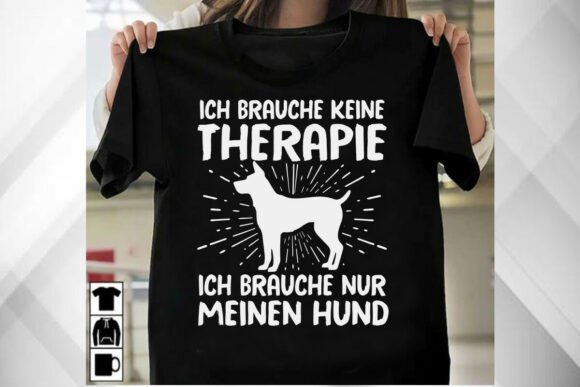
German T Shirt Graphics for T-Shirt Designs
When I first opened the German T Shirt file set, my immediate reaction was that this asset carries a specific cultural flavor that could work remarkably well for niche product collections. It is not a generic, try-to-please-everyone kind of design. Instead, it leans into a recognizable theme with a bold personality, which is exactly what helps a listing stand out in a crowded creative marketplace like Etsy or Creative Fabrica. As someone who regularly tests graphic design assets before committing them to sellable merchandise, I wanted to see how this one holds up across multiple product formats and mockup scenarios.
The visual mood depends heavily on how the designer executed the German-inspired elements. From what I can see, this digital product carries a straightforward, somewhat rustic appeal. It could fit into a festive Oktoberfest-style collection, a heritage-themed apparel line, or even a cheeky gift range aimed at travelers and expats. The typography choices, color palette, and any illustrative details will determine whether it reads as vintage and handcrafted or more modern and punchy. Either direction has a buyer audience waiting, but the seller needs to position it clearly from the first thumbnail.
First Impressions and Niche Appeal of the German T Shirt Artwork
Opening the files, I checked for the basics that matter most when preparing a printable design for commercial use. The designer states this is a print-ready file created by an experienced professional, which sets a certain expectation around resolution, clean lines, and organized layers. In practice, that means I am looking for crisp edges, no stray pixels, and a composition that holds together when scaled up for larger print items like posters or down for smaller applications like mug decals. The German T Shirt design appears built with apparel in mind first, which is sensible given the category, but the real test is whether it can stretch into other product types without losing impact.
This asset feels best suited for sellers who already cater to audiences interested in travel, cultural pride, European heritage, or seasonal festival merchandise. I can picture it working across men's and women's apparel lines, but also sneaking into unexpected places like kitchen textiles, coasters, and tote bags. The key is matching the design's personality to the right buyer persona. A playful version might attract younger shoppers looking for conversation-starting casual wear. A more structured, crest-like version could appeal to customers who prefer a subtle, almost vintage souvenir aesthetic.
Testing the German T Shirt Across Multiple Product Scenarios
Before I ever publish a listing that uses a new graphic design asset, I run it through a mental checklist of product formats. With German T Shirt, I started with the obvious application: a standard unisex tee placed on a flatlay product mockup with natural lighting. This gives me a baseline for how the colors translate from screen to simulated fabric, how the composition sits on a torso, and whether the design needs any resizing or repositioning before I commit to ordering physical samples.
From there, I tested the design on a mug wrap template. Mugs are one of my consistent sellers, especially for gift-driven niches. The German T Shirt graphic transferred well to the curved template, though I made a note to check the design width because some rectangular apparel layouts need cropping adjustments for cylindrical products. Next, I dropped the file onto a tote bag mockup, which is another strong contender for festival-themed merchandise. The tote bag format gave the design room to breathe and actually enhanced the visual presence more than I expected.
For print-on-demand sellers who diversify across multiple product types, this asset could pull double or triple duty. Beyond apparel and drinkware, I would consider placing it on pillow covers, aprons, or even simple wall art prints for a themed kitchen or bar area. The versatility hinges on the file quality and whether the PNG design maintains transparency where needed.
How the Design Becomes a Sellable Product Collection
One isolated graphic rarely builds a shop. What I look for when evaluating any digital download is how easily it can anchor a broader design bundle or collection. With German T Shirt, I would consider creating coordinating items that share a visual thread: perhaps matching beer stein graphics, complementary typography pieces, or decorative borders that tie everything together. This approach increases the perceived value of a listing and encourages multi-item purchases, especially when sold as a themed kit for Cricut projects or sublimation crafting.
For Canva template sellers, this design could serve as a hero element in editable invitation templates for German-themed parties or events. For social media graphics, a scaled version might work as a bold accent in promotional posts for travel bloggers or event planners. The key is that the design does not have to live exclusively on a t-shirt. Thinking beyond the primary category often reveals higher-margin opportunities, especially in the digital product space where production costs stay flat regardless of how many times the asset is used.
Where the German T Shirt Asset Performs Best
Based on my testing workflow, this design shines brightest in applications that give it visual prominence. Large product previews on Etsy, where the graphic fills the thumbnail frame, will catch browsing attention more effectively than a tiny, detail-heavy composition lost in a sea of search results. Thumbnail appeal drives click-through rates, and a design with strong contrast and clear thematic messaging tends to perform well in this regard.
I also see strong potential for this asset in sublimation design applications. Sublimation printers need designs with rich, saturated color profiles and clean edges, and this file appears to deliver on both fronts. Products like polyester-blend tees, ceramic mugs, and aluminum photo panels could all benefit from the German T Shirt graphic when applied through a sublimation workflow. Crafters who run Cricut or Silhouette machines will need the SVG design version with properly separated layers for cutting. Iron-on vinyl projects, in particular, demand sharp cut lines, so inspecting the SVG path quality before offering it as a craft-ready download is non-negotiable.
Products and Formats Worth Extra Caution
Not every product category suits every design, and I would be doing fellow sellers a disservice if I did not point out where the German T Shirt asset might struggle. Small-format items like sticker sheets or planner decals could prove tricky if the design contains intricate details that become muddy at reduced sizes. I always test a design at roughly one inch by one inch on screen to simulate how it might look as a small sticker before committing to that product line. If legibility drops or the visual impact flattens, I either skip that format or create a simplified version specifically for tiny applications.
Text-heavy templates present another caution zone. If the German T Shirt graphic includes its own typography, layering additional text over or near it could create visual clutter. I have learned the hard way that overcrowded designs confuse buyers scrolling through listings. Keeping the composition focused often converts better than trying to say too much in one graphic. Similarly, products that require precise cutting paths around every edge, like detailed paper crafts or intricate sticker designs, need the SVG file to be thoroughly cleaned of stray nodes before cutting. A quick test cut on scrap material saves endless frustration and wasted blanks.
Dark backgrounds also deserve a specific check. If the design relies on dark outlines or shadows, placing it on a black or navy product could cause those elements to disappear. I test every new asset on both white and dark mockup backgrounds to understand its contrast range before writing product descriptions that might overpromise versatility.
Practical Seller Notes for Listing Success
After spending time with the German T Shirt files, I have compiled a short list of action items that I would follow before publishing any product using this asset. First, test the design on at least three different product mockups to see how the composition shifts across formats. A design that looks balanced on a unisex tee might feel top-heavy on a slim-fit women's cut or awkward on a wide tote bag. Adjusting placement for each product type is part of delivering a professional-looking final product.
Second, verify the file resolution immediately. For print products, I want a minimum of 300 DPI at the intended print size. For print-on-demand platforms like Printful or Printify, upload requirements often specify PNG files with transparent backgrounds at specific dimensions. Checking these specs early prevents rejected uploads and delays. Third, confirm that the commercial license allows for the intended use. Many designers include terms that restrict reselling the standalone file or using it on certain marketplaces, so reading the fine print matters.
I also recommend testing how the design pairs with different font styles. A bold sans serif font might modernize a traditional design, while a well-chosen serif font could lean into the vintage or heritage feel. Script fonts and handwritten fonts can soften the overall mood, which might be exactly what a niche buyer segment prefers. Having a few typography pairings ready helps when a customer asks for customization options.
Organizing and Presenting the Digital Download
One area where sellers can differentiate themselves is file organization. When offering the German T Shirt as part of a digital download listing, I always rename files clearly, include a simple instruction sheet, and separate formats into labeled folders. Buyers who download a zip file filled with cryptic filenames often request refunds or leave frustrated reviews, even when the artwork itself is excellent. A little upfront organization preserves the brand identity of a shop and builds customer trust over time.
For marketplace listings, I use at least one mockup that shows the design in context and one close-up detail shot that demonstrates print quality. This combination answers the two questions most buyers silently ask: what does it look like on a real product, and is the quality good enough to justify the purchase. Including a lifestyle shot, where possible, can strengthen visual storytelling and give the listing a more premium, curated feel.
Is the German T Shirt Worth Adding to a Product Lineup
From a practical, dollars-and-cents perspective, the German T Shirt asset offers a focused niche appeal that can work well for sellers who already understand their audience. It is not a mass-market, sell-to-everyone design, which is actually an advantage in a competitive graphics and T-Shirt Designs category. Niche products often face less direct competition and attract more engaged buyers who are willing to pay a fair price for something that speaks directly to their interests.
For Etsy sellers building a seasonal collection, crafters preparing for a festival drop, or print-on-demand shop owners looking to diversify their apparel line, this asset provides a solid starting point. The designer's background as a professional with experience creating print-ready files adds a layer of confidence, though every seller should still do their own due diligence with test prints and mockup reviews. Treat the German T Shirt as a capable centerpiece for a themed collection, pair it thoughtfully with complementary products, and present it in a way that makes the buyer feel they are purchasing something intentional rather than an afterthought.
My final takeaway is this: the asset passes the baseline quality checks I run before listing, it has clear commercial applications across multiple product types, and it rewards sellers who take the time to position it strategically within a cohesive product line. If you are curating designs for a shop that values thematic consistency and audience-specific appeal, this one deserves a test run on your preferred mockup templates.