Evaluating the Flaming Skull Graphic for Editorial & Content Publishing
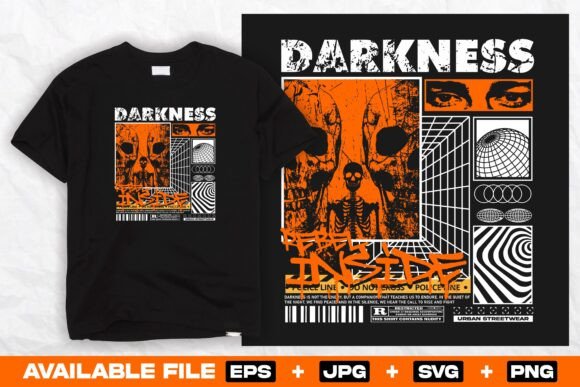
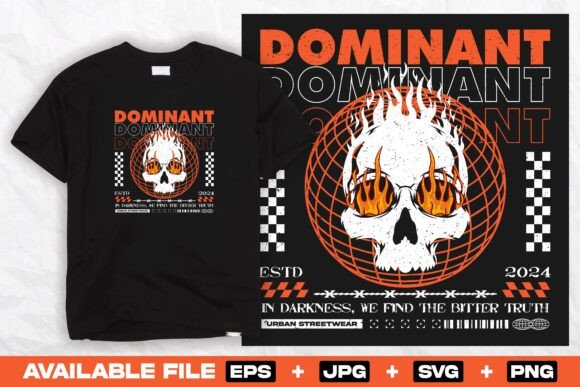
When a design asset like the Flaming Skull Urban Streetwear Design lands in my digital workspace, my first task is to gauge its editorial potential. My initial impression? This is a bold, high-energy graphic. The dominant slogan combined with the skull and its burning eyes creates an immediate, visceral mood of rebellion, intensity, and urban edge. It’s unapologetically artistic and modern. This isn’t a soft, playful, or feminine aesthetic; it’s a powerful visual statement that naturally supports content niches focused on streetwear culture, alternative lifestyles, music, gaming, action sports, or any edgy, youth-oriented affiliate marketing.
The Editorial Mood & Reader Perception
Using this graphic on a blog or website instantly telegraphs a specific attitude. It signals to readers that your content is not corporate, not overly serious in a traditional sense, and likely geared toward a creative or rebellious audience. This can build strong reader trust within that niche, as the visual identity aligns perfectly with the subject matter. However, it’s crucial to understand that this mood is very specific. The graphic’s bold, decorative nature demands confident use. It won’t blend into a minimal visual system; it’s meant to stand out and define the space.
Real Publishing Applications: From Blog Graphics to Digital Products
In a practical publishing workflow, this graphic design asset offers several compelling uses. For a blog covering streetwear or urban culture, it would be a powerhouse for creating featured images and article headers. Its strong visual hierarchy ensures that post thumbnails will pop on a homepage or in a category archive. It’s ideal for crafting eye-catching Pinterest pins for fashion guides or style lists, where click-through potential is paramount.
Beyond standard blog graphics, consider it for digital guides or lead magnets. An eBook cover titled “The Underground Style Handbook” would gain instant credibility with this artwork. It could serve as a striking cover for a media kit for a related brand, or as a banner for a newsletter dedicated to edgy apparel trends. For affiliate marketers promoting similar products, using this asset in social media previews or digital ad creatives can create consistent, professional-looking content that feels native to the niche.
- Hero Images & Website Banners: Its scale and detail make it perfect for a prominent website header.
- Content Upgrades & Printables: Use it on downloadable worksheets or resource lists to add artistic value.
- Category Thumbnails: It can visually define a whole section of your site, like a “Streetwear Designs” archive.
- Canva Template Elements: Import this graphic to build quick, branded social media graphics or blog graphics.
Supporting Content Performance & Brand Identity
The core value for a publisher is how an asset supports performance. This flaming skull design delivers a stronger first impression, crucial for stopping the scroll in saturated feeds. Its clear focal point (the skull and slogan) creates a better visual hierarchy, directing the reader’s eye instantly. This translates directly to better click-through potential for pins and featured posts. Repeated use across your content—from blog graphics to newsletter headers—builds more consistent branding and a stronger visual identity, which in turn fosters improved reader trust and better category recognition. Your entire content library looks more cohesive and intentionally designed.
Where This Graphic Works Best and Where to Exercise Caution
This asset excels in large-format, attention-grabbing roles. Think Pinterest pins, blog graphics at the top of a post, editorial accents in digital magazines, and newsletter headers. Its complexity and detail are meant to be seen.
Use it carefully in certain contexts. In small mobile thumbnails, some detail may be lost, so test thoroughly. Avoid placing it on text-heavy blog images where the competing visuals could overwhelm your message. It may clash on low-contrast backgrounds or within already busy layouts. Most importantly, it is not suited for serious professional niches, corporate content, or websites that require a very clean, minimal visual system. This is a decorative, statement piece.
Practical Publisher Notes for Implementation
Before committing this graphic to a live project, run these practical checks. Always test it on desktop and mobile screens. Preview how it looks as a tiny thumbnail in your blog’s sidebar or on a social feed. Drop it into a real blog layout with a headline overlay to check contrast and readability—the flaming elements and dark areas may require a bright, bold font for text to remain legible.
Experiment with it beside different font styles. A stark sans-serif font might complement its modern edge, while a display font could amplify the artistic feel. A script font may create an interesting contrast, but test carefully. Also, review the file size for web performance; complex graphics can be large. Compress it properly for fast loading without sacrificing quality for its primary uses.
Finally, a critical step for any commercial publisher: confirm the commercial licensing before using it on monetized websites, affiliate pages, or within paid content products like digital guides. Ensure your use aligns with the license from the creative marketplace. This safeguards your business and respects the designer’s work.
The Final Take for Creative Entrepreneurs
The Flaming Skull Urban Streetwear Design is more than just a t-shirt graphic. For bloggers, digital marketers, and creative entrepreneurs operating in aligned niches, it’s a versatile design asset that can elevate your entire content marketing presentation. It brings a polished, clickable energy to blog visuals, website branding, editorial content, and social media graphics. By applying it strategically within your publishing workflow—understanding its bold mood, leveraging its strengths for performance, and navigating its limitations with care—you can transform a single digital download into a cohesive element of your small business branding.